31/3/2026
Translated by: Nahed Ashraf Abdellatief
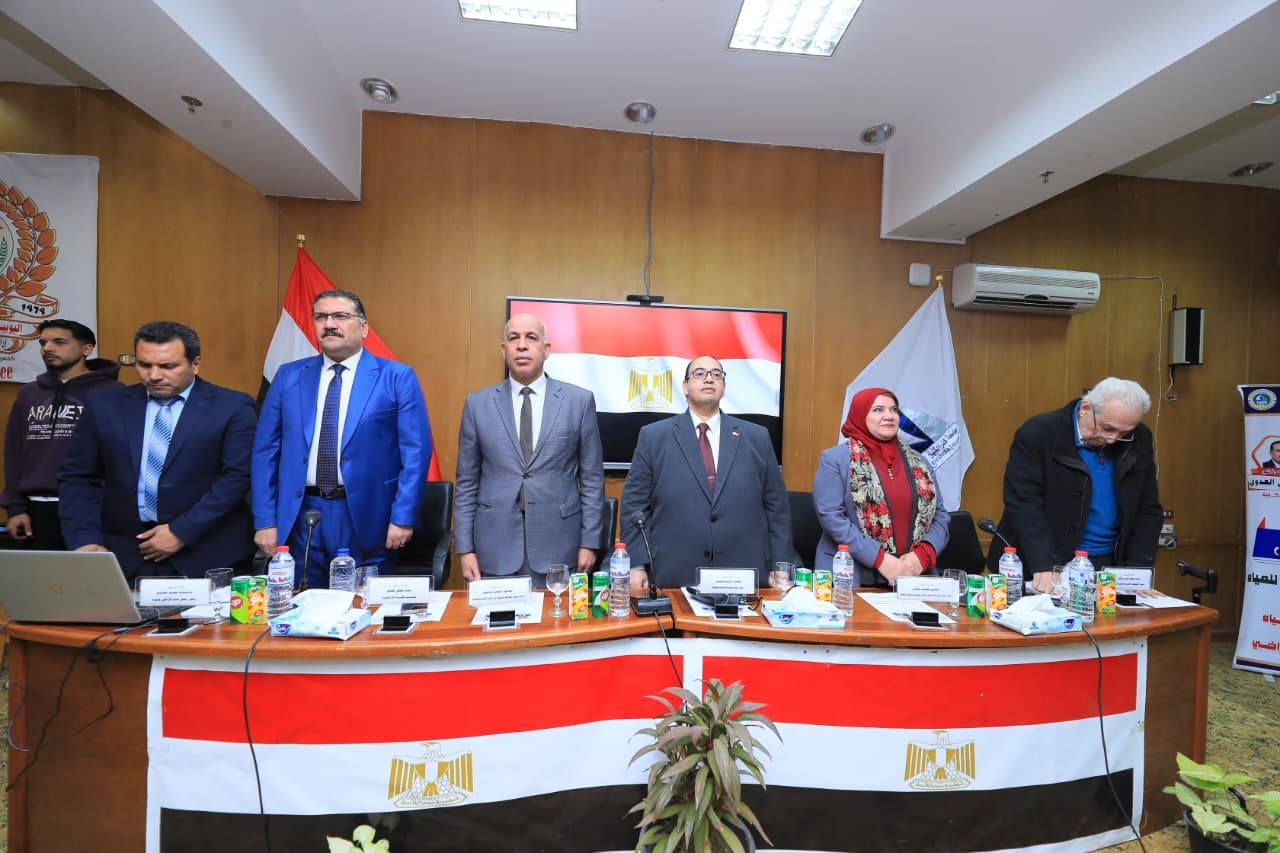
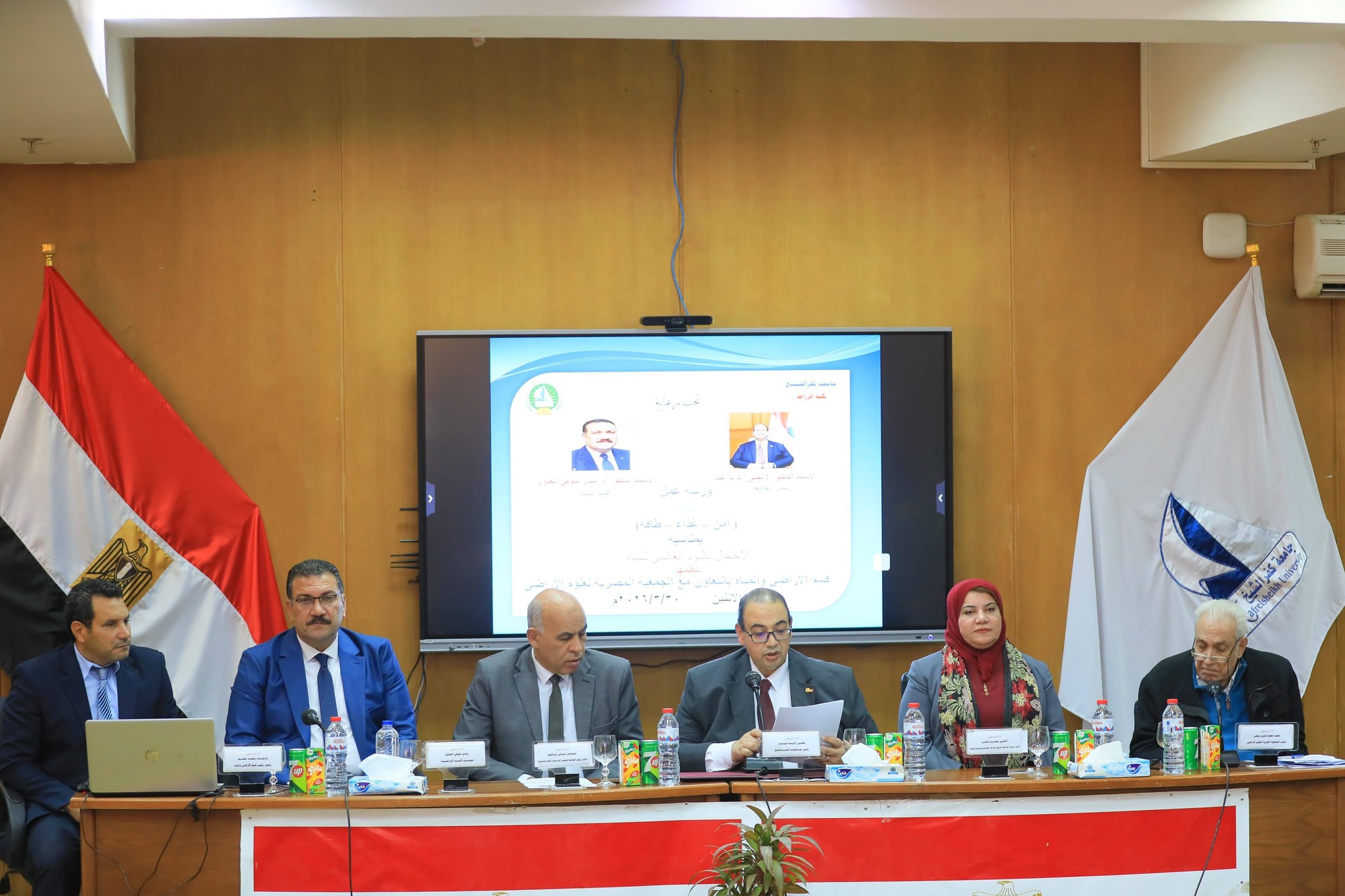
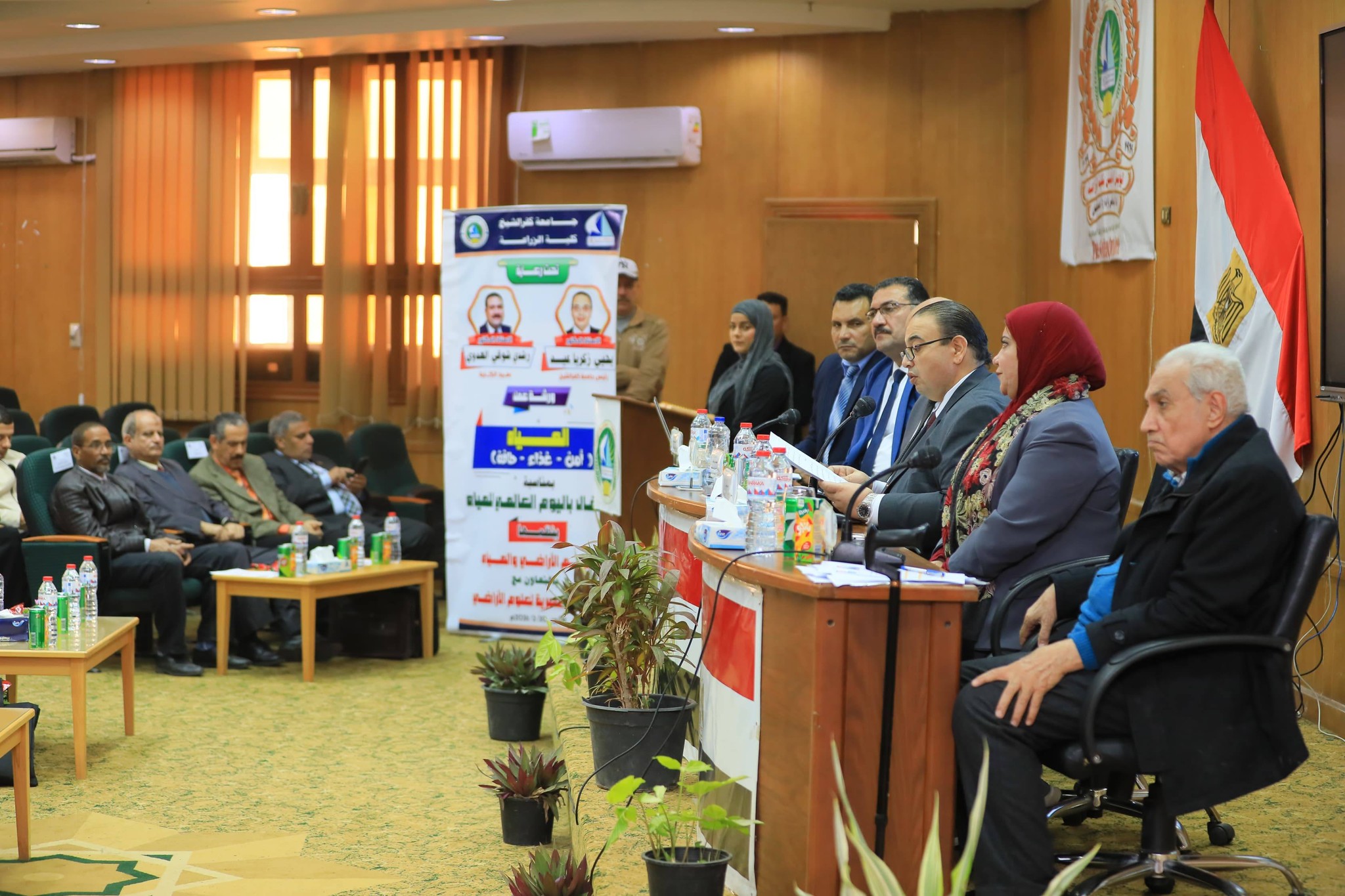
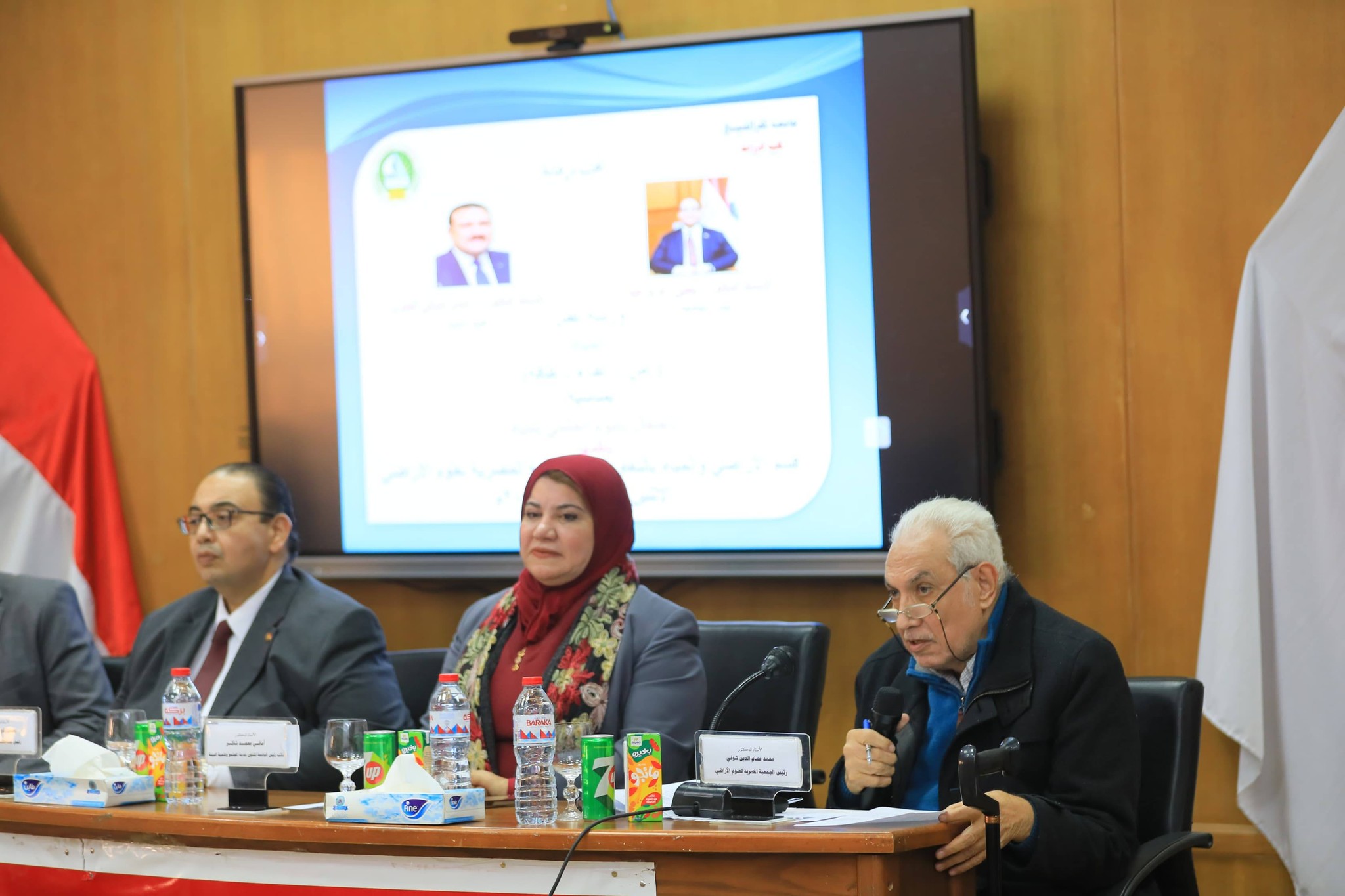
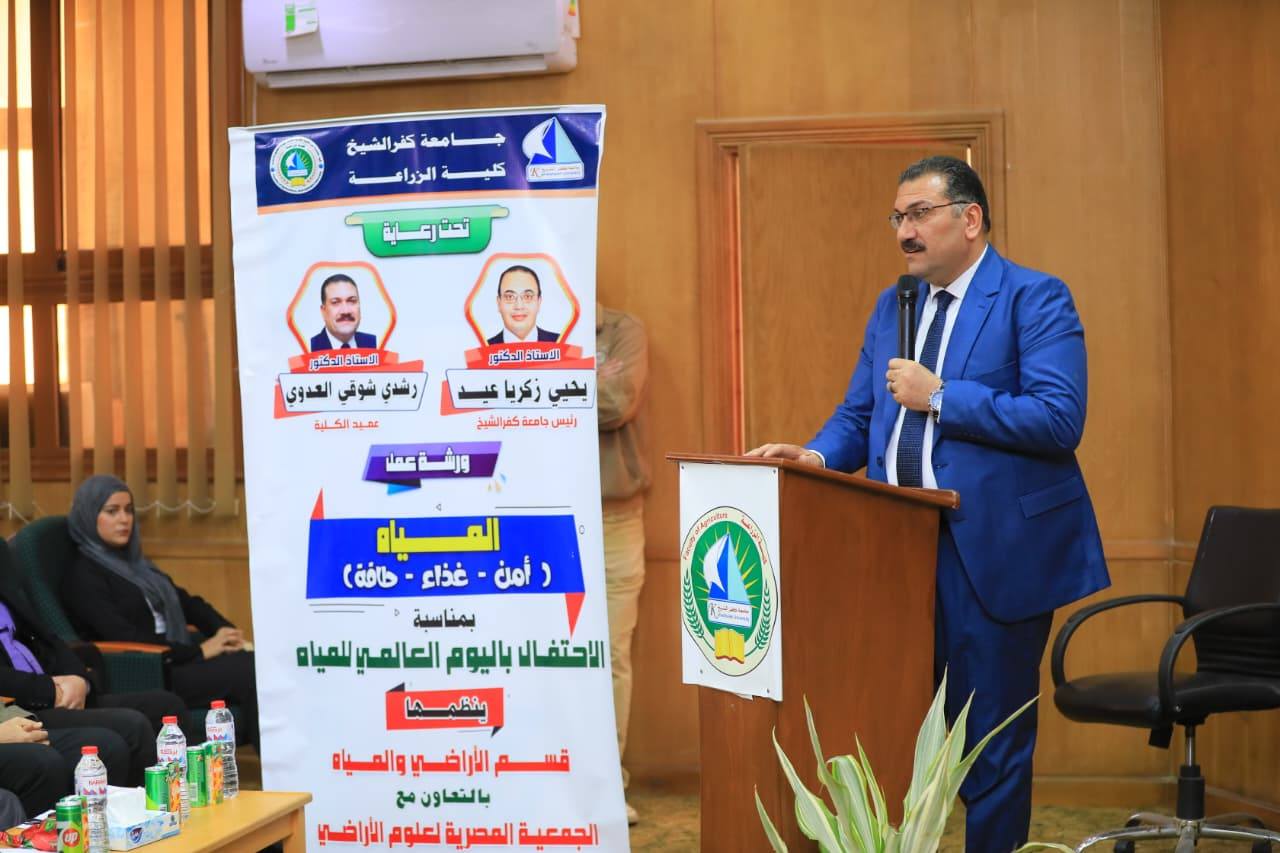
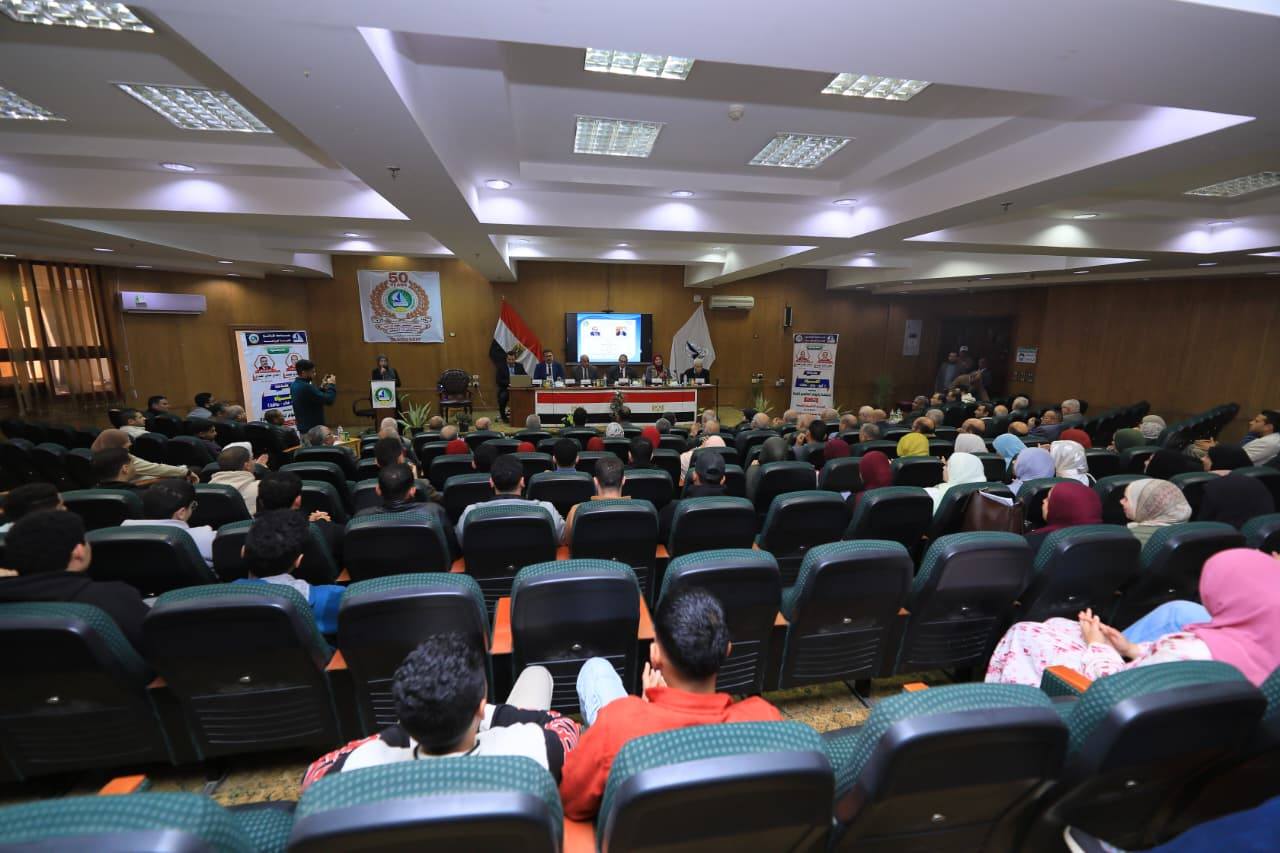
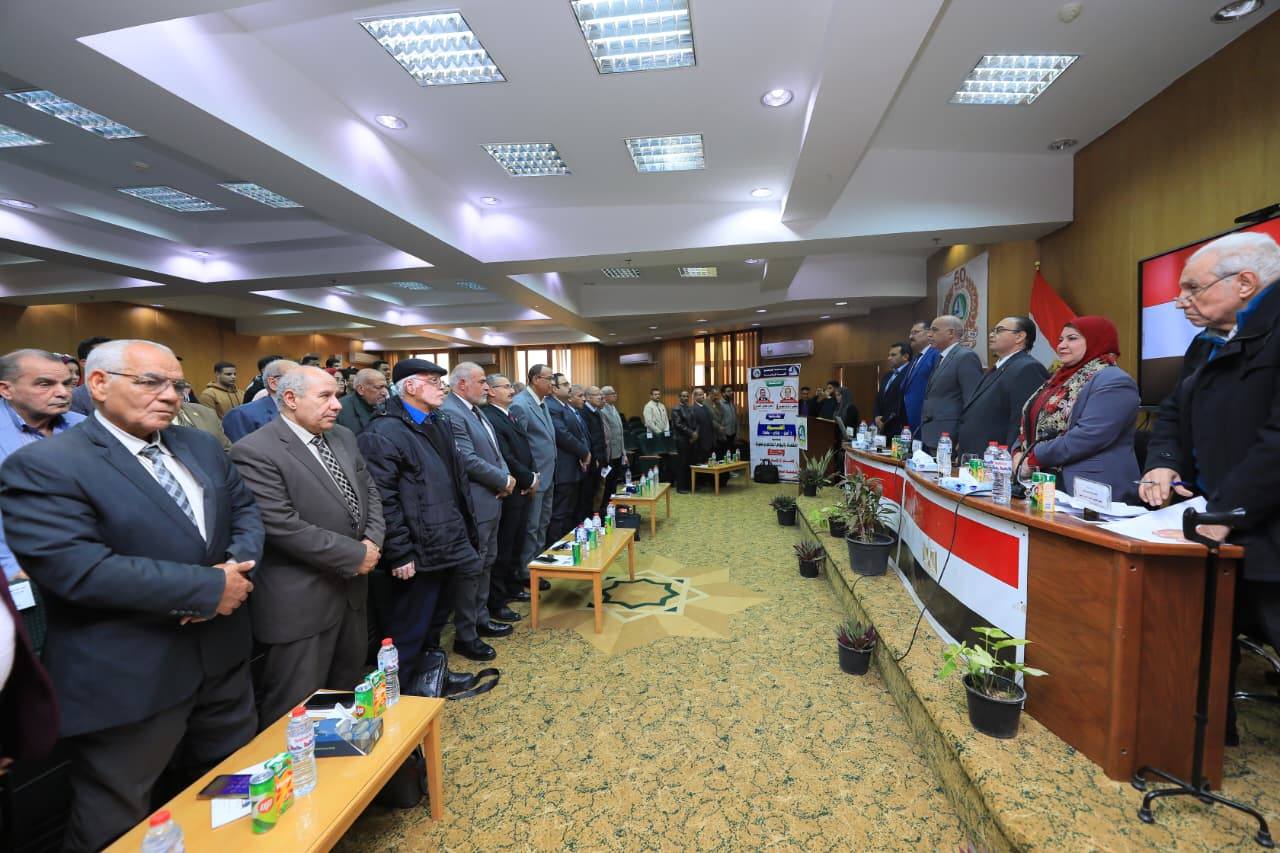
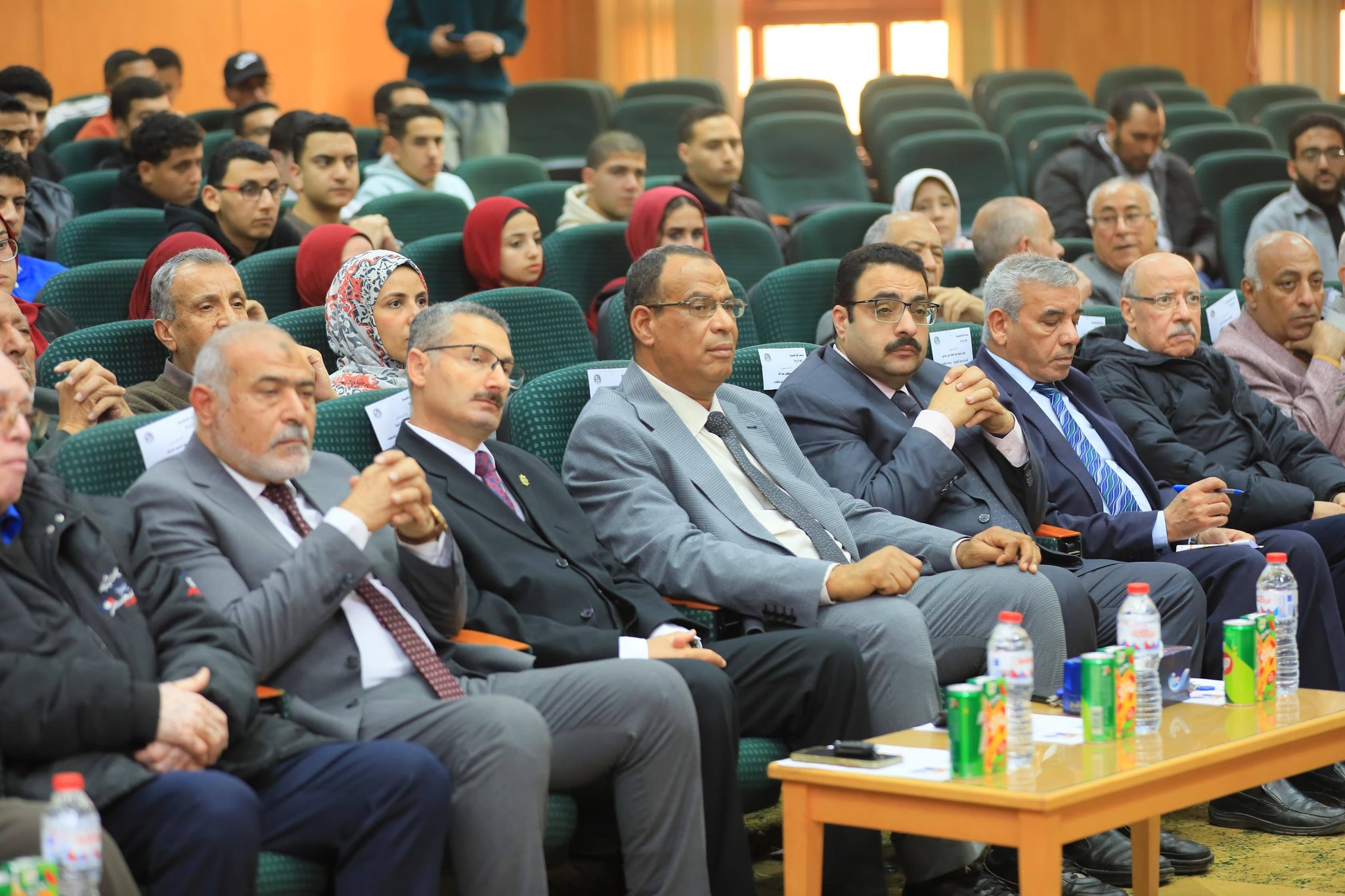
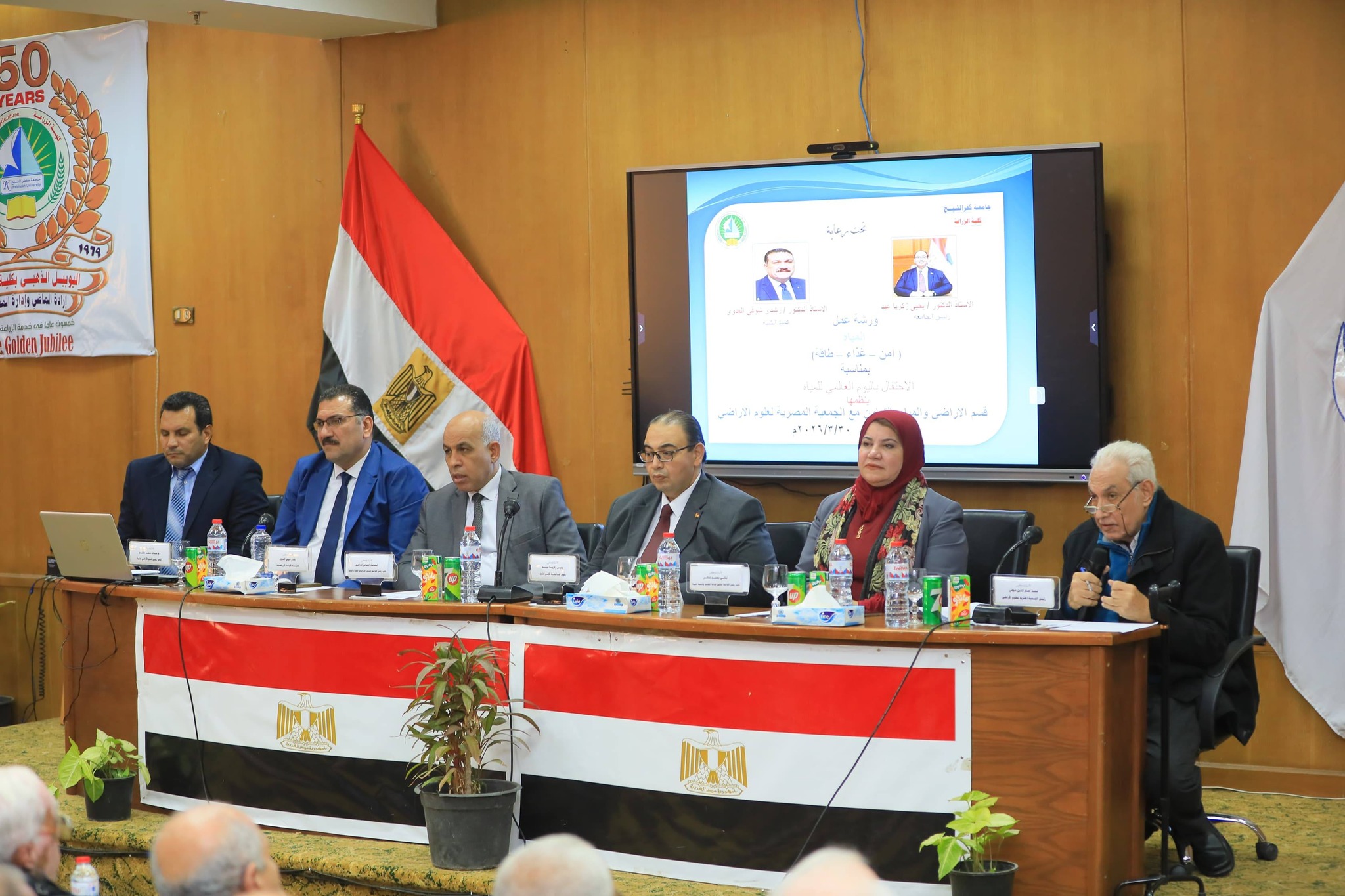
Dr. Yahya Eid, president of Kafrelsheikh University, witnessed on Monday, March 30, 2026, the celebrations of World Water Day 2026, organized by the university's Faculty of Agriculture in collaboration with the Department of Soils and Water and the Egyptian Society of Soil Sciences. The event was attended by an elite group of experts, scientists, and specialists in water resources at both local and international levels.
The event was attended by Dr. Abbas Sharaqi, international expert and professor of geology and water resources at Cairo University; Dr. Ismail Ismail Ibrahim, vice president of the university for graduate studies and research; Dr. Amani Shaker, vice president of the university for community service and environmental development affairs; and Dr. Rushdi Al-Adawy, dean of the Faculty of Agriculture. It also featured distinguished international participation via video conferencing from Dr. Ragab Ragab from the United Kingdom, honorary president of the International Commission on Irrigation and Drainage and senior fellow in water sciences at the British Centre for Ecology and Hydrology, alongside Dr. Magdy Shaheen Muhammad, professor of soils at the Faculty of Agriculture, Al-Azhar University, and a host of faculty members, researchers, and students.
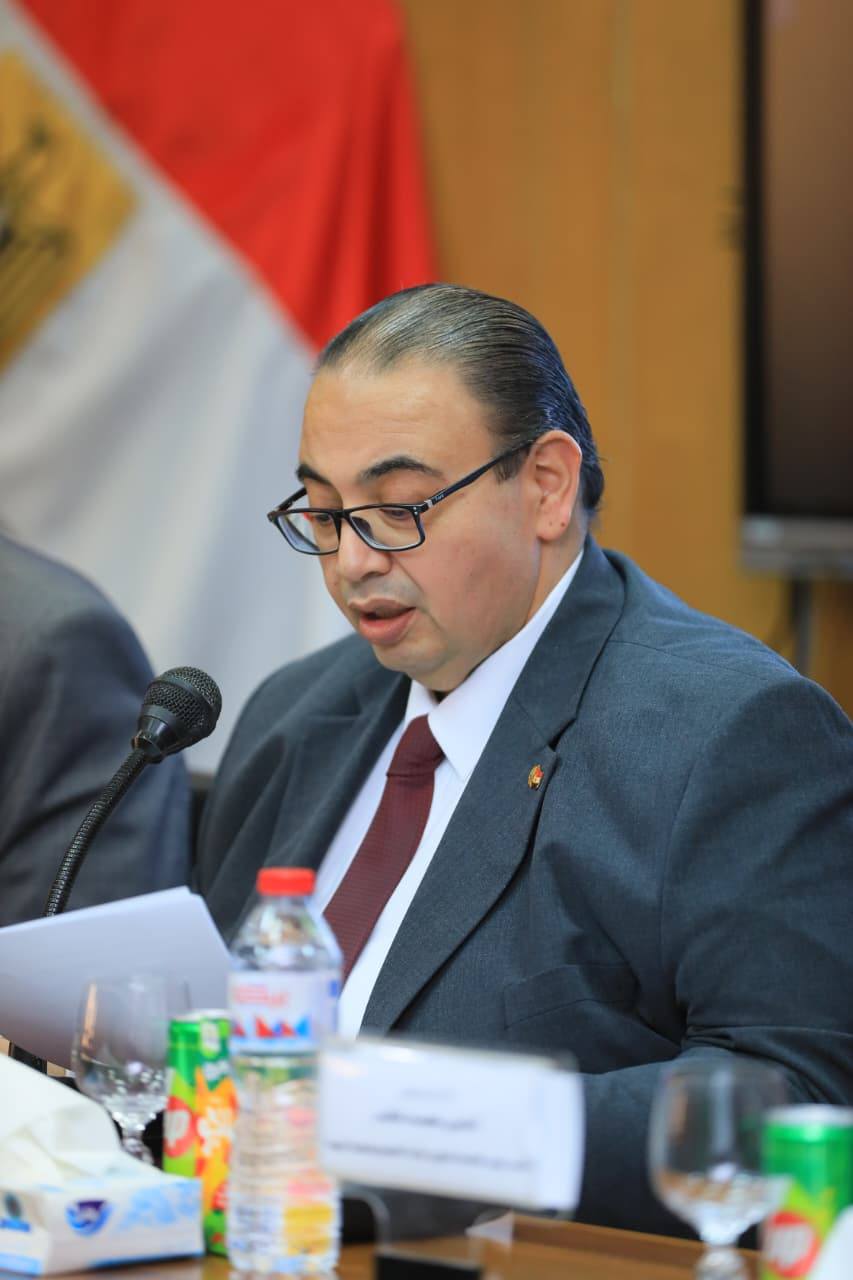
In his address during the event, Dr. Yahya Eid, President of Kafrelsheikh University, delivered an extensive opening speech in which he affirmed that celebrating World Water Day is no longer merely a symbolic occasion but has become a pivotal scientific and humanitarian milestone requiring serious reflection on one of the most dangerous challenges facing humanity. He noted that water is no longer just an element of life but has simultaneously become an issue of national, humanitarian, and developmental security.
The President of Kafrelsheikh University explained that the selection of the 2026 World Water Day theme linking water flow to achieving equality profoundly reflects the humanitarian and social dimensions of the water issue. He emphasized that the water crisis is no longer solely a resource crisis but a crisis of justice, distribution, and equity, noting that women in many countries worldwide bear the greatest burden in securing water, which necessitates adopting more inclusive and equitable policies.
Dr. Yahya Eid added that Egypt's water reality imposes genuine challenges, given the near-total reliance on the Nile River to meet over 90% of water needs, contrasted with a steady increase in demand due to population growth. This has led to a decline in per capita water share below the water poverty line, necessitating swift action according to an integrated scientific vision.
Dr. Yahya Eid pointed out that the Egyptian state, under the leadership of His Excellency President Abdel Fattah El-Sisi, President of the Republic, has adopted a comprehensive national strategy for water resources management extending to 2050. This strategy focuses on developing traditional and nontraditional water resources, rationalizing usage, improving water quality, and enhancing legislative and institutional frameworks. He affirmed that major projects achieved on the ground in desalination, wastewater treatment, and canal rehabilitation represent an unprecedented qualitative shift in managing this vital file.
Dr. Yahya Eid further stressed that Kafrelsheikh University, stemming from its academic and societal role, places the water issue at the forefront of its research priorities by supporting applied research in water use efficiency, developing modern irrigation systems, and promoting water reuse. He confirmed that the Faculty of Agriculture represents one of the most important centers of scientific excellence in this field.
The President of Kafrelsheikh University affirmed that addressing water challenges can only be achieved through integrating efforts among academic and research institutions, policymakers, and farmers. He called upon students to adopt a culture of innovation and scientific research and to contribute effectively to finding sustainable solutions for this vital issue.
For his part, Dr. Abbas Sharaqi, International Expert and Professor of Geology and Water Resources at Cairo University, presented an extensive analytical overview addressing the relationship between major national agricultural projects and the water challenges facing Egypt. He affirmed that expanding these projects represents a strategic necessity for achieving food security but simultaneously imposes additional pressures on limited water resources.
Dr. Abbas Sharaqi clarified that the success of these projects fundamentally depends on water management efficiency, using modern irrigation technologies, and expanding water reuse, in addition to the necessity of precise scientific planning that balances available resources with future needs. He noted that climate change represents an additional challenge requiring the adoption of flexible and adaptable policies.
Dr. Abbas Sharaqi also affirmed that integrating traditional and nontraditional water resources has become an absolute necessity, emphasizing the importance of maximizing benefits from treated wastewater and expanding seawater desalination, thereby contributing to alleviating pressure on Egypt's Nile water share.
In a distinguished international intervention, Dr. Ragab Ragab from the United Kingdom addressed global challenges of water, food, and energy security. He affirmed that these three files have become closely interlinked in what is known as the "Water-Food-Energy Nexus" concept, noting that any imbalance in one axis directly affects the others.
Dr. Ragab Ragab explained that the world faces unprecedented challenges due to climate change, population growth, and increasing resource demand, necessitating the adoption of comprehensive visions for sustainability based on integrated resource management, use of modern technology, and enhancement of international cooperation and knowledge exchange.
Dr. Ragab Ragab confirmed that scientific research and innovation represent the cornerstone in confronting these challenges, calling for the necessity of linking research outputs to practical applications to achieve tangible impact on the ground.
For his part, Dr. Magdy Shaheen Muhammad, Professor of Soils at the Faculty of Agriculture, Al-Azhar University, reviewed prospects for nontraditional water resources. He affirmed that they represent one of the most important future solutions for addressing Egypt's water gap, noting that reusing treated agricultural and sanitary wastewater, alongside seawater desalination, has become indispensable strategic options.
Dr. Magdy Shaheen clarified that expanding these resources requires developing infrastructure, using modern technologies to ensure efficiency and quality, and spreading awareness about the importance of rational water use. He confirmed that these resources can significantly contribute to supporting agricultural development and increasing productivity.
In the same context, Dr. Rushdi Al-Adawy affirmed that the Faculty of Agriculture at Kafrelsheikh University continues its pioneering role in supporting water issues through scientific research and education. He noted that the faculty seeks to prepare cadres capable of addressing water challenges and providing innovative solutions serving the agricultural sector.
The event concluded with emphasis on the importance of continuing cooperation among universities, research centers, and executive bodies and working to transform scientific recommendations into implementable policies, thereby contributing to achieving water and food security and supporting the sustainable development journey in Egypt.